
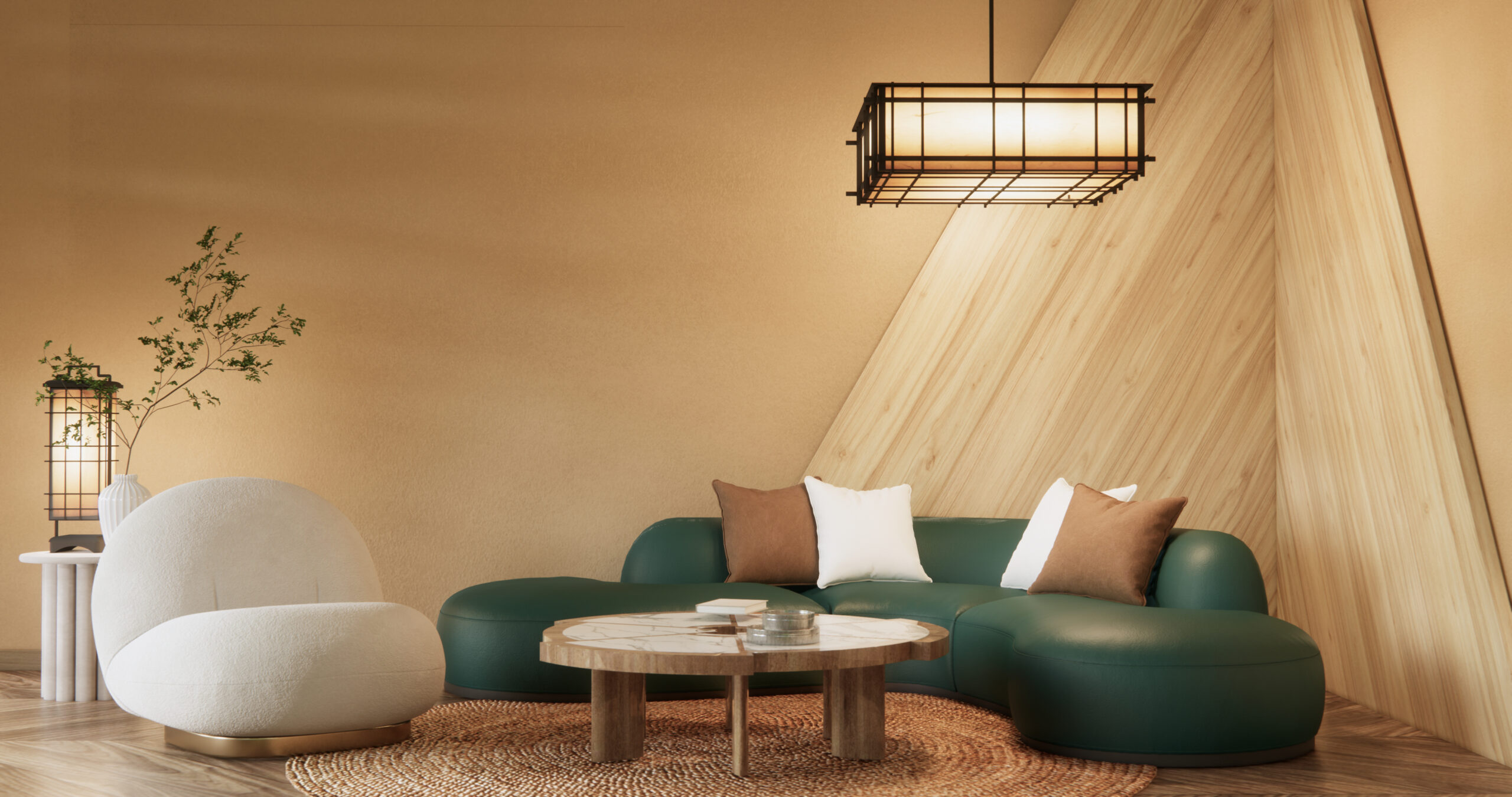
Interior Designing in Chennai Like South Indian tropical climate requires selecting materials that can withstand its distinctive tropical wet and dry conditions, intense heat, high humidity, and seasonal heavy rainfall. The region experiences hot summers with temperatures often exceeding 40°C, a monsoon season delivering substantial rain mainly from June to September, and dry winters from October to February. These climatic factors demand durable, moisture-resistant, and thermally efficient building materials for lasting structures.
Ideal Material Characteristics
Materials must offer excellent thermal insulation to reduce indoor heat gain, helping maintain comfort without excessive energy use. They should resist moisture to prevent damage from the heavy monsoon rains and humidity that promote mold and rot. Additionally, materials should be durable against ultraviolet exposure and natural wear caused by heat and seasonal changes.
Recommended Materials for Longevity
Clay and terracotta tiles: Provide natural cooling through thermal mass and ventilation.
Concrete and brick: Offer strong structural integrity and resilience to moisture when properly sealed.
Stone: Particularly granite or laterite, common in South India, is highly durable and heat-resistant.
Wood treatments: Selected wood types must be treated against termite and moisture damage.
Fiber cement boards: Useful for insulation and weather resistance.
Lime plaster or traditional mud plaster: Allow the walls to breathe while providing protection from humidity.
Design Considerations for Climate Adaptation
In addition to materials, design strategies such as shaded verandas, sloped roofs for efficient rainwater runoff, cross-ventilation layouts, and reflective paints or coatings help buildings perform better in the climate’s extremes. Using locally sourced materials not only ensures suitability but also supports sustainability and cost-effectiveness.
Successful building designs in South India skillfully combine climate-appropriate materials with architecture responsive to heat, humidity, and heavy rains, resulting in structures that last longer, are energy efficient, and provide comfortable living spaces year-round.